In 2012, an activist-led assignment called the Rolling Jubilee grabbed worldwide headlines by raising sufficient cash online from small-dollar donations to buy and eradicate nearly $15m of medical debt.
I turned into a part of the institution that spearheaded the effort. We dispatched letters to hundreds of people throughout the U. S., telling them their debts have been erased, no strings attached. Why did we do it? The solution is easy: healthcare is a human right, and medical debt is an ethical and political abomination in the richest U.S.A. Internationally, it’s miles obscene that hundreds of thousands of people are driven into poverty and insolvency because they’d like the terrible luck of getting unwell and needing to see a doctor.
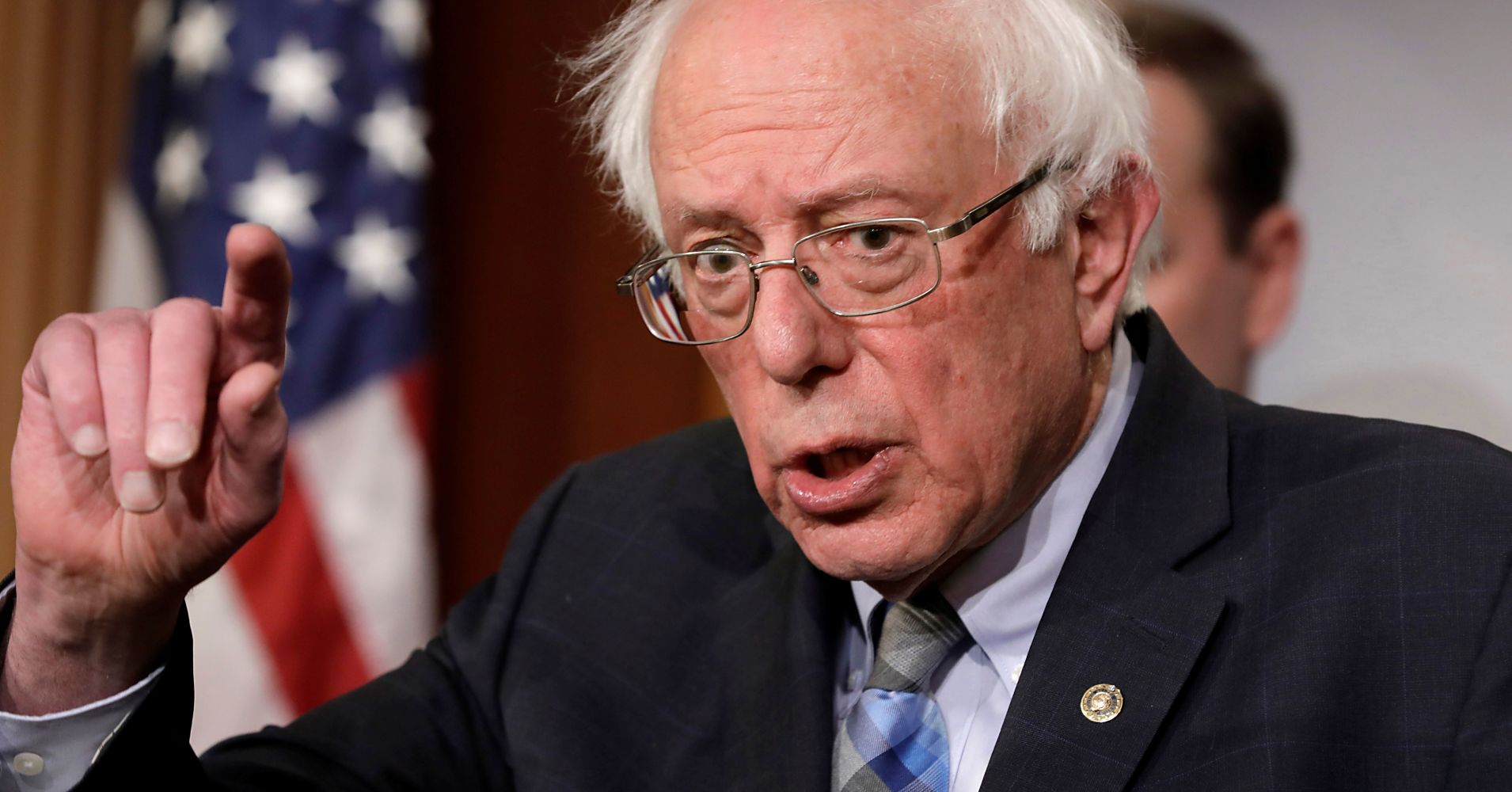
Last week, the presidential candidate Bernie Sanders observed in the Rolling Jubilee’s footsteps. His marketing campaign made history by asserting that $81bn of past-due scientific debt belonging to more than 46 million people could be wiped out ought to win the White House. Under a Sanders administration, “the federal authorities will negotiate and pay off past-due scientific payments in collections that have been mentioned to credit score businesses.”
Sanders additionally proposed that the IRS “oversee the billing and collection practices of the almost 3,000 non-profit hospitals to make sure they may be consistent with the charitable care standards for non-profit tax status, and take action against those who aren’t”.
Thrilled as we are to see a presidential candidate offering to scale up the primary premise of our scrappy activist mission to the national level, we believe that buying clinical debt isn’t always an excellent method. Why ought holders’ property rights be respected while the debts in question are immoral, first of all?
One motive debt creditors are notorious for, determined, excessive stare, in and deceptive approaches,ise that the sizable majority of medical debt in collections is already out of the statute. There is no prison force that collectors can find an attraction to, so one can compel a price on out-of-statute debt, which is why many hospitals and collectors emerge as penning this debt off.
What’s more, as many as ninety-four % of debts cannot be substantiated in court because creditors lack the necessary office work. (This is why the Debt Collective has created a debt dispute device that everyone can use, free of charge, to tackle any debt currently in series, along with scientific bills. If you take some time to dispute your money owed, there’s a great chance the collector will back down, and you gained’t have to pay.)
Sanders is aware of this. That’s why, under his plan, the authorities could “[p]rohibit the collection of debt past the statute of limitations. That raises a question: why no longer take that good judgment in addition, and efficiently prohibit the collection of all medical debt?
The secondary market for medical debt most effectively exists because the state enforces the legitimacy of the debts in the law courts. The authorities must begin to deal with clinical debt the way it treats money owed to the mafia, saying that such debts don’t have any felony legitimacy. If the state stopped defending the assets rights of predators, the trouble of scientific debt would disappear.
We want a method of debt cancellation that refuses to compromise with vultures who take advantage of suffering. That stated, if government officials insist on purchasing clinical debt to erase it, they should do it in a way that paves the way for greater, large-scale debt relief for folks that desperately need it.
Consider a concept from the British journalist Grace Blakely. In her ebook Stolen: How to Save the World From Financialization, she proposes a brand new public banking gadget that might purchase various styles of money owed, imposing a haircut on non-public banks and creditors, for you to refinance them at dramatically decreased interest charges or maybe write them off completely. This concept may be used to address not only the hassle of unpayable healthcare expenses but also the broader disaster of American client debt, ranging from mortgages to credit cards to payday loans.
Just final year, the Debt Collective government director, Laura Hanna, a veteran of the Rolling Jubilee, recommended the New York state assemblyman Ron Kim to redefine debt as assets under eminent domain law. This awesome conceptual jump might permit public officials working on the nation’s degree to reimagine ways to guard their components from horrific economic actors.
Last year, eight million people were driven into poverty because of medical expenses. The private tales instructed at a recent Sanders-hosted metropolis corridor were intestine-wrenching: a loved spouse who died of colon most cancers, fending off remedy because of the expense; a $forty,000 bill for an ectopic being pregnant that didn’t even require an in a single day stay; households rationing existence-saving remedy inclusive of insulin among ill dad and mom and younger children.
Any sincere, everlasting solution to our medical debt crisis has to tackle the issue at the root. No one must pick out among existence-saving medical care and meals and shelter, and in countries with loose and ordinary healthcare, medical debt doesn’t exist.
In the meantime, we can again accept applicants who, likeust should diagnose the trouble of medical debt and are inclined to combat indebted Americans who need assistance. Sanders’ plan brings us closest to therapy.